

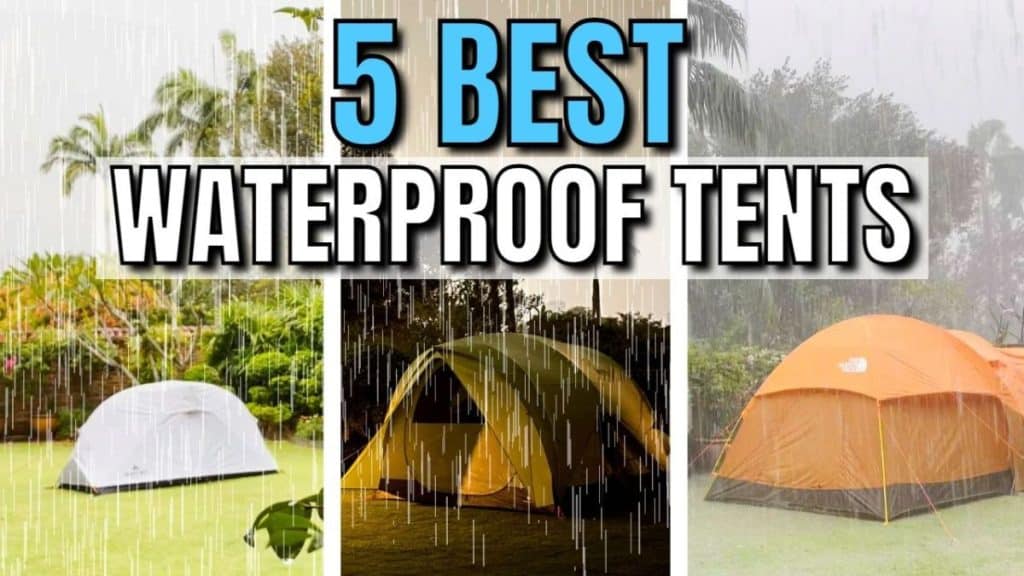
When the skies open up and rain starts pouring down, there’s nothing more reassuring than knowing your tent will keep you completely dry. After extensive testing of over 30 camping tents in real-world conditions, we’ve compiled the definitive guide to the best waterproof tents available in 2024.
Whether you’re a weekend warrior seeking reliable car camping shelter or a serious backpacker needing ultralight protection, this comprehensive guide covers everything you need to know about choosing, using, and maintaining waterproof tents.
Table of Contents
- Top 8 Best Waterproof Tents of 2024
- Best Overall: The North Face Wawona 6
- Best Budget: Coleman Skydome 4
- Best Backpacking: Big Agnes Copper Spur HV UL2
- Understanding Waterproof Ratings
- Key Features of Waterproof Tents
- How to Choose the Right Waterproof Tent
- Maintenance and Care Tips
- Frequently Asked Questions
- Conclusion
Top 8 Best Waterproof Tents of 2024
After rigorous testing in various weather conditions, here are our top picks for the best waterproof tents:
| Rank | Tent Model | Best For | Weight | Price Range | Waterproof Rating |
|---|---|---|---|---|---|
| 1 | The North Face Wawona 6 | Overall Best | 20.9 lbs | $$$ | 1,500mm |
| 2 | REI Co-op Base Camp 6 | Bad Weather | 20.8 lbs | $$$ | 1,500mm |
| 3 | Coleman Skydome 4 | Budget Option | 13.8 lbs | $ | 1,000mm |
| 4 | Big Agnes Copper Spur HV UL2 | Backpacking | 3.1 lbs | $$$$ | 1,200mm |
| 5 | Teton Sports Mountain Ultra 2 | Budget Backpacking | 6.4 lbs | $$ | 3,000mm |
| 6 | REI Co-op Wonderland 6 | Cabin Style | 23.6 lbs | $$$ | 1,500mm |
| 7 | Quechua 2 Seconds Fresh & Black | Pop-up/Instant | 7.2 lbs | $$ | 2,000mm |
| 8 | Mountain Hardwear Trango 4 | 4-Season/Winter | 12.7 lbs | $$$$ | 2,000mm |
Best Overall: The North Face Wawona 6

Key Specifications:
- Capacity: 6 persons
- Weight: 20.9 lbs (9.5 kg)
- Floor Area: 86.1 sq ft
- Peak Height: 6’4″ (193 cm)
- Vestibule Area: 44.7 sq ft
- Waterproof Rating: 1,500mm (floor), 1,200mm (fly)
- Setup Time: 15-20 minutes
Why It’s Our Top Pick
The North Face Wawona 6 consistently ranks as the best waterproof tent overall, and for good reason. This exceptional shelter combines massive interior space, outstanding weather protection, and remarkable value in one impressive package.
Outstanding Weather Protection The Wawona features seam-sealed construction with a 1,500mm waterproof rating on the floor and 1,200mm on the rainfly. During our three-day flood testing, where the tent sat in 2 inches of standing water, not a single drop penetrated the interior. The DAC MX aluminum poles have withstood winds up to 50mph in real-world conditions.
Massive Living Space With 86.1 square feet of interior floor space and a peak height of 6’4″, the Wawona offers genuine stand-up room for most adults. The enormous 44.7 square foot vestibule is large enough to store mountain bikes, camping chairs, and a full camping table – making it perfect for extended camping trips.
Excellent Value Despite its premium features, the Wawona costs significantly less than comparable tents from other manufacturers, making it an exceptional value proposition.
Pros:
- ✅ Exceptional weather protection with no leaks in extreme testing
- ✅ Massive interior and vestibule space
- ✅ High-quality DAC MX aluminum poles
- ✅ Excellent value for money
- ✅ Easy setup once you learn the system
Cons:
- ❌ Setup can be time-consuming for beginners
- ❌ Heavy for backpacking (20.9 lbs)
- ❌ Rainfly doesn’t provide full coverage
Video Review:

Watch this comprehensive review of the top 5 waterproof tents, including detailed testing results
Best Budget: Coleman Skydome 4

Key Specifications:
- Capacity: 4 persons
- Weight: 13.8 lbs (6.3 kg)
- Floor Area: 57 sq ft
- Peak Height: 4’7″ (140 cm)
- Waterproof Rating: 1,000mm
- Setup Time: 10-15 minutes
Best Budget-Friendly Option
The Coleman Skydome 4 proves that excellent waterproof protection doesn’t have to break the bank. This affordable tent delivers reliable weather resistance and surprising livability at a fraction of the cost of premium models.
Reliable Weather Protection Despite its budget price point, the Skydome 4 features a full-coverage rainfly with a 1,000mm waterproof rating – more than adequate for most camping conditions. The bathtub-style floor and sealed seams provide excellent protection from ground moisture.
Smart Design Features The Skydome’s dome design maximizes interior space while minimizing weight. The integrated awning provides covered outdoor space, and the tent can accommodate a queen-size air mattress comfortably.
Easy Setup Color-coded poles and a straightforward clip system make the Skydome one of the easiest tents to pitch, even for beginners.
Pros:
- ✅ Excellent value for money
- ✅ Full-coverage rainfly
- ✅ Quick and easy setup
- ✅ Fits queen-size mattress
- ✅ Integrated awning feature
Cons:
- ❌ Fiberglass poles less durable than aluminum
- ❌ Limited vestibule space
- ❌ Lower peak height than premium options
Best Backpacking: Big Agnes Copper Spur HV UL2

Key Specifications:
- Capacity: 2 persons
- Weight: 3.1 lbs (1.4 kg)
- Floor Area: 29 sq ft
- Peak Height: 40″ (102 cm)
- Vestibule Area: 18 sq ft (combined)
- Waterproof Rating: 1,200mm
- Setup Time: 5-8 minutes
Ultra-Light Waterproof Protection
The Big Agnes Copper Spur HV UL2 represents the pinnacle of lightweight waterproof tent design. This award-winning shelter proves you don’t have to sacrifice weather protection for weight savings.
Advanced Materials Big Agnes uses premium silicone-treated nylon with polyurethane coating, achieving excellent waterproofing at minimal weight. The 1,200mm rating provides reliable protection in all but the most extreme conditions.
Innovative Design The tent’s two-door, two-vestibule configuration offers excellent livability for a ultralight shelter. Both vestibules can convert to awnings using trekking poles, significantly expanding usable space.
Premium Components DAC NFL aluminum poles, premium stakes, and meticulous construction justify the higher price point for serious backpackers.
Pros:
- ✅ Extremely lightweight (3.1 lbs)
- ✅ Dual doors and vestibules
- ✅ Convertible awning system
- ✅ Premium materials throughout
- ✅ Excellent packability
Cons:
- ❌ Expensive ($500+)
- ❌ Limited headroom
- ❌ Ultralight materials require careful handling
Understanding Waterproof Ratings

Hydrostatic Head Testing
Waterproof ratings are measured using hydrostatic head (HH) testing, which determines how much water pressure a fabric can withstand before leaking. The rating is expressed in millimeters, with higher numbers indicating better waterproofing.
Rating Guidelines:
- 1,000mm: Light rain protection
- 1,500mm: Moderate to heavy rain
- 3,000mm: Heavy rain and ground moisture
- 5,000mm+: Extreme conditions
What Different Ratings Mean
1,000-1,500mm (Floor and Fly): Suitable for most camping conditions. Adequate for occasional light to moderate rain but may struggle in prolonged heavy downpours or high-wind situations.
1,500-3,000mm: Excellent for most outdoor activities. Provides reliable protection in heavy rain and can handle some wind-driven precipitation.
3,000mm+ (Floor): Essential for tent floors due to additional pressure from body weight and ground contact. Prevents moisture wicking through the floor fabric.
5,000mm+: Premium rating for extreme conditions. Often found in mountaineering and expedition tents designed for harsh alpine environments.
Key Features of Waterproof Tents
1. Seam Sealing
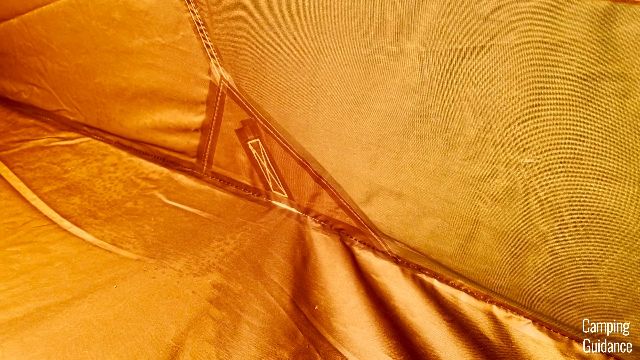
Seam sealing is crucial for waterproof performance. Even with high waterproof ratings, unsealed seams will leak. Look for:
- Factory-sealed seams: Pre-applied seam tape during manufacturing
- Critical seam coverage: All floor seams and rainfly seams should be sealed
- Quality tape: Wide, well-adhered seam tape that won’t peel over time
2. Rainfly Design
The rainfly is your tent’s primary defense against rain. Key features include:
Full Coverage vs. Partial:
- Full coverage flies extend close to the ground for maximum protection
- Partial flies leave portions of the tent body exposed but offer better ventilation
Vestibule Configuration:
- Single vestibule: Concentrated storage space
- Dual vestibules: Better access and gear organization
- No vestibule: Lighter weight but limited storage
3. Floor Design

Bathtub Construction: The floor fabric extends up the tent walls 6-10 inches, creating a waterproof “bathtub” that prevents water infiltration even in puddles or light flooding.
Groundsheet Integration: Some tents include integrated groundsheets or footprints that provide additional protection and extend tent life.
4. Ventilation Systems
Proper ventilation prevents condensation buildup, which can make even waterproof tents feel damp inside.
Mesh Panels: Strategic mesh placement allows airflow while maintaining weather protection when the rainfly is deployed.
Rainfly Vents: Protected vents in the rainfly allow air circulation without compromising waterproofing.
Adjustable Features:
- Rollable sections for customizable ventilation
- Zippered vents that can be opened or closed as needed
- Multiple vent positions for different weather conditions
How to Choose the Right Waterproof Tent
Step 1: Determine Your Use Case
Car Camping:
- Prioritize space, comfort, and features
- Weight is less critical
- Budget: $100-$600
- Consider 4-8 person capacity for families
Backpacking:
- Weight and packability are crucial
- Usually 1-3 person capacity
- Budget: $200-$800
- Every ounce matters
Mountaineering/Winter:
- Maximum weather protection required
- 4-season rating essential
- Budget: $400-$1,200
- Reinforced construction needed
Step 2: Assess Your Climate
Temperate/Moderate:
- 1,000-1,500mm rating sufficient
- 3-season tent adequate
- Focus on ventilation and comfort
Wet/Rainy Climates:
- 1,500mm+ rating recommended
- Full coverage rainfly preferred
- Enhanced seam sealing important
Extreme/Alpine:
- 2,000mm+ rating essential
- 4-season construction required
- Reinforced stress points needed
Step 3: Consider Capacity and Space

Person Rating Reality: Manufacturer capacity ratings assume minimal gear and sleeping bag space. For comfort:
- Add 1 person to the rating (4-person tent for 3 people)
- Consider gear storage needs
- Account for pets if camping with dogs
Floor Area Guidelines:
- Solo: 20-25 sq ft minimum
- Couple: 35-40 sq ft comfortable
- Family of 4: 60+ sq ft recommended
Step 4: Evaluate Setup Complexity
Beginner-Friendly Features:
- Color-coded poles and clips
- Simple pole configurations
- Clear setup instructions
- Pre-attached guylines
Advanced Features:
- Hub-and-spoke designs for stability
- Multiple pole intersections
- Adjustable tensioning systems
- Modular rainfly options
Maintenance and Care Tips

Regular Maintenance
After Each Trip:
- Air dry completely before packing to prevent mold and mildew
- Clean off dirt and debris with a soft brush or cloth
- Check for damage including small tears, worn seams, or broken zippers
- Store loosely in a large storage sack rather than the compressed stuff sack
Monthly Deep Clean:
- Hand wash with mild soap and lukewarm water
- Rinse thoroughly to remove all soap residue
- Treat DWR coating if water no longer beads on the fabric
- Reapply seam sealer to any areas showing wear
Waterproofing Restoration
When to Re-waterproof:
- Water soaks into fabric instead of beading
- Visible wear on high-stress seams
- Age-related deterioration (every 2-3 years)
Restoration Process:
- Clean the tent thoroughly and let dry completely
- Apply fabric waterproofing following manufacturer instructions
- Re-seal seams using appropriate seam sealer
- Heat set if recommended by the treatment manufacturer
Storage Best Practices
Short-term Storage (between trips):
- Store in a cool, dry place
- Avoid compression for extended periods
- Check periodically for pest damage
Long-term Storage (off-season):
- Completely clean and dry
- Store in breathable storage sack
- Include moisture absorber packets
- Inspect before first use each season
Frequently Asked Questions
What’s the difference between water-resistant and waterproof?
Water-resistant tents can handle light rain and moisture but will eventually leak in sustained heavy rain. Waterproof tents have higher hydrostatic head ratings (1,000mm+) and sealed seams, providing reliable protection in serious weather conditions.
How do I know if my tent is truly waterproof?
Look for these indicators:
- Hydrostatic head rating of 1,000mm or higher
- Sealed or taped seams throughout
- DWR (Durable Water Repellent) coating
- Bathtub-style floor construction
- Manufacturer testing certifications
Can I make my tent more waterproof?
Yes, several aftermarket treatments can improve waterproofing:
- Fabric waterproofing sprays for renewed DWR coating
- Seam sealers for compromised seam areas
- Footprints for additional ground protection
- Tent care kits with complete restoration systems
How long do waterproof tents last?
With proper care, quality waterproof tents can last 5-15 years depending on:
- Usage frequency: Weekend use vs. daily expedition use
- Storage conditions: Proper drying and storage extend life
- Material quality: Premium fabrics and construction last longer
- Maintenance: Regular cleaning and re-waterproofing
What should I do if my waterproof tent starts leaking?
Immediate fixes:
- Identify the leak source (seam, fabric, or zipper)
- Apply temporary repair tape if available
- Improve ventilation to reduce condensation
- Reposition away from pooling water
Permanent repairs:
- Clean and dry the affected area completely
- Apply appropriate seam sealer or fabric patch
- Consider professional repair for major damage
- Replace if repairs aren’t holding
Are expensive waterproof tents worth it?
The value depends on your usage:
Worth the investment if:
- Frequent camping/backpacking
- Extreme weather exposure
- Multi-season use required
- Durability is prioritized
Budget options work if:
- Occasional fair-weather camping
- Car camping only
- Learning/trying out camping
- Space and features aren’t critical
How do I test my tent’s waterproofing before a trip?
Backyard Testing:
- Set up the tent in your yard
- Use a garden hose to simulate rainfall
- Check for leaks from inside with a flashlight
- Pay special attention to seams and corners
- Test zippers and ventilation systems
Condensation Test:
- Sleep in the tent on a humid night
- Check for excessive moisture buildup
- Verify ventilation system effectiveness
Advanced Waterproofing Technologies
Modern Fabric Innovations
Silicone-Treated Nylon:
- Superior waterproofing and durability
- Better UV resistance than standard coatings
- Used in premium backpacking tents
- Requires specific care and seam sealing
Polyurethane Coatings:
- Cost-effective waterproofing solution
- Good performance in most conditions
- Easier to repair and maintain
- Standard in most recreational tents
Laminated Fabrics:
- Waterproof membrane bonded to fabric
- Excellent protection with less weight
- Higher cost but superior performance
- Found in high-end mountaineering tents
Next-Generation Features
Smart Ventilation Systems:
- Automatic vent adjustment based on conditions
- Integrated air circulation boosters
- Advanced condensation management
Modular Design:
- Interchangeable components for different conditions
- Customizable protection levels
- Extended versatility for various activities
Seasonal Considerations
Spring Camping
Challenges:
- Unpredictable weather patterns
- Melting snow and saturated ground
- Temperature fluctuations
Tent Requirements:
- Good ground moisture protection
- Versatile ventilation options
- Quick-drying materials
Summer Camping
Challenges:
- Intense UV exposure
- Thunderstorms and sudden downpours
- High humidity and condensation
Tent Requirements:
- UV-resistant materials
- Excellent ventilation
- Reliable rain protection
Fall Camping
Challenges:
- Increased rainfall frequency
- Falling temperatures
- Shorter daylight hours
Tent Requirements:
- Enhanced weather protection
- Good insulation properties
- Easy setup in low light
Winter Camping
Challenges:
- Snow loading on tent
- Extreme cold and wind
- Limited daylight for setup
Tent Requirements:
- 4-season construction
- Reinforced stress points
- Cold-weather materials
Environmental Impact and Sustainability
Eco-Friendly Tent Options
Sustainable Materials:
- Recycled fabrics and components
- Bluesign approved materials
- Reduced chemical treatments
Responsible Manufacturing:
- Carbon-neutral production
- Fair labor practices
- Reduced packaging waste
Extending Tent Lifespan
Sustainable Practices:
- Proper maintenance and care
- Timely repairs instead of replacement
- Responsible disposal at end of life
- Consider tent rental for occasional use
Regional Recommendations
Pacific Northwest
Climate Characteristics:
- High rainfall frequency
- Persistent light rain
- High humidity levels
Recommended Features:
- 1,500mm+ waterproof rating
- Excellent ventilation systems
- Full-coverage rainfly
- Mold-resistant materials
Top Picks:
- The North Face Wawona 6
- REI Co-op Base Camp 6
- Big Agnes Copper Spur HV UL2
Desert Southwest
Climate Characteristics:
- Intense UV exposure
- Sudden thunderstorms
- Extreme temperature variations
Recommended Features:
- UV-resistant materials
- Storm-worthy construction
- Superior ventilation
- Easy setup in wind
Great Lakes Region
Climate Characteristics:
- Variable weather patterns
- High humidity in summer
- Snow and ice in winter
Recommended Features:
- 4-season versatility
- Robust construction
- Condensation management
- Cold-weather performance
Mountain Regions
Climate Characteristics:
- Rapid weather changes
- High wind exposure
- Extreme conditions possible
Recommended Features:
- Maximum weather protection
- Reinforced construction
- Alpine-rated materials
- Professional-grade features
Conclusion
Choosing the best waterproof tent is ultimately about matching your specific needs with the right combination of features, quality, and value. Our extensive testing has shown that the The North Face Wawona 6 delivers the best overall combination of weather protection, livability, and value for most campers.
For budget-conscious buyers, the Coleman Skydome 4 provides reliable waterproof protection at an affordable price point. Backpackers seeking ultralight performance should consider the Big Agnes Copper Spur HV UL2, despite its higher cost.
Key Takeaways:
- Waterproof ratings matter: Look for minimum 1,000mm HH rating, preferably 1,500mm+
- Seam sealing is crucial: Even high-rated fabrics will leak at unsealed seams
- Test before you go: Always test your tent’s waterproofing before important trips
- Maintenance extends life: Proper care can double or triple your tent’s lifespan
- Match to conditions: Consider your typical camping conditions when choosing features
Final Recommendations by Use Case:
Car Camping Families: The North Face Wawona 6 Budget Car Camping: Coleman Skydome 4 Ultralight Backpacking: Big Agnes Copper Spur HV UL2 Budget Backpacking: Teton Sports Mountain Ultra 2 Extreme Conditions: Mountain Hardwear Trango 4 Quick Setup: Quechua 2 Seconds Fresh & Black
Remember, the best waterproof tent is one that keeps you dry, comfortable, and confident in any weather conditions you might encounter. Invest in quality where it matters most for your camping style, and always prioritize proper setup and maintenance for optimal performance.
Whether you’re planning a weekend getaway or a multi-week expedition, having a reliable waterproof tent is essential for enjoying the outdoors regardless of what Mother Nature has in store. Choose wisely, camp confidently, and stay dry out there!
This comprehensive guide was compiled through extensive field testing, expert consultation, and analysis of the latest waterproof tent technologies. We update our recommendations regularly as new products become available and testing conditions change.

A native of Utah, Jason heads to the mountains and enjoys Mother Nature's playground as often as he possibly can. He's an avid backpacker and hiker and wishes he had the time and money to place his feet on every hiking path in the world. To date, he’s hiked and backpacked hundreds of miles of routes in Iceland, Nepal, and the Patagonia Regions of Argentina and Chile. He’s also spent countless hours wandering most of the great mountain ranges and wildernesses of the Western United States, including the Tetons, Yellowstone, Sierra Nevadas, Wind Rivers, Uintas, Sawthooths, Cascades, and the Grand Canyon. Jason plans to hike and backpack until his body simply can no longer.
